
Procedures
Pterygium (surfer's eye)
A pink, fleshy growth that spreads from the white of the eye onto the cornea. It is benign and very common in sunny, windy, dusty places like Baja California Sur. Many need only drops and protection; some are better removed.
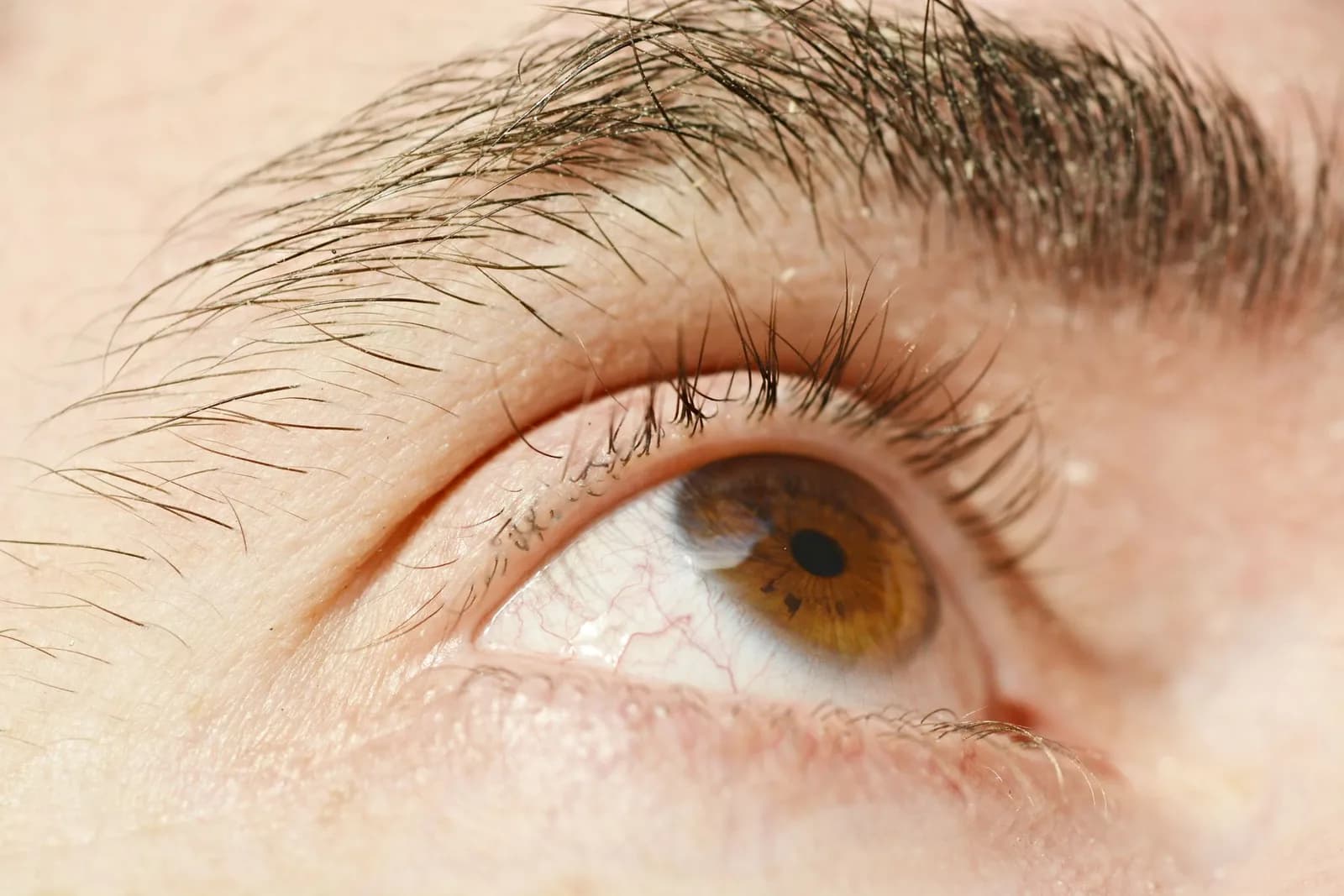
What it is
The white of the eye is covered by a thin clear membrane, the conjunctiva. Years of ultraviolet light, wind, dust and dryness can make it thicken and grow, usually from the side nearest the nose, in a wedge that creeps onto the cornea. That growth is a pterygium. Fishermen, surfers, construction workers and anyone who spends their days outdoors are the people who get it, which is why it is sometimes called surfer's eye.
A small pterygium is mainly a nuisance: redness, a gritty feeling, an eye that looks irritated in photos. As it advances it can pull on the cornea and cause astigmatism, and if it reaches the line of sight it blurs vision. A pinguecula is its milder cousin, a yellowish bump that stays on the white of the eye and does not invade the cornea.
What's included
- An evaluation to confirm it is a pterygium and not another lesion
- Measurement of how far it has advanced onto the cornea and whether it is causing astigmatism
- Treatment with drops when surgery is not yet needed
- Outpatient surgery under local anaesthetic when it is
- A graft of your own conjunctiva, secured with tissue glue and fine sutures
- Next-day check and a plan to lower the chance of it coming back
Who it suits
Usually a good fit
- It is advancing toward the centre of the cornea
- It is changing your prescription or causing astigmatism
- Redness and irritation persist despite drops
- It interferes with contact lenses or bothers you cosmetically
Usually not, or not yet
- A small, quiet pterygium that is not growing: it can simply be watched
- A pinguecula, which rarely needs surgery
- An actively inflamed eye, which is calmed with drops first
- Anyone unable to protect the eye from sun afterwards, since that invites it back
The procedure, step by step
Evaluation
The growth is examined at the slit lamp, measured and photographed, and the cornea is checked for astigmatism. You leave knowing whether to treat it with drops, watch it or remove it.
Local anaesthetic
Outpatient surgery with the eye numbed. You are awake and comfortable and go home the same day.
Removal and covering the area
The pterygium is lifted off the cornea and removed. Removing it alone leaves a high chance of regrowth, so Dr. Serrano covers the bare area with a graft of your own conjunctiva, taken from another part of the same eye. The graft is held in place with tissue glue and fine sutures.
Next-day check
The patch comes off and Dr. Serrano checks the eye himself. You start the drops that control inflammation, which matter for keeping it from returning.
Recovery timeline
- First days
A patch the first night. The eye is red, watery and scratchy, more than after laser surgery. This is expected.
- First two weeks
Discomfort fades. No swimming, dust or rubbing. Sunglasses outdoors, always.
- Weeks three to eight
Redness clears gradually. Anti-inflammatory drops are tapered on the schedule you are given; stopping early raises the chance of regrowth.
- Long term
Most regrowth, when it happens, shows within the first year. UV-blocking sunglasses, a hat and lubricants are the lasting protection.
Risks and side effects
- Recurrence is the main risk. The graft lowers it substantially compared with removing the growth alone, and sun protection lowers it further, but it is never zero
- Redness and irritation lasting several weeks
- Infection, bleeding or problems with the graft, which are uncommon
- A faint scar on the cornea where the pterygium was attached
- Some astigmatism may remain if the growth had already changed the corneal shape
Every eye is different. Dr. Serrano goes through the risks that apply to yours at the evaluation, before you decide anything.
Pricing
Reference pricing
In U.S. dollars. The final quote is given in writing after your evaluation.
Ocular surface surgery
Pterygium · price per eye
- Pterygium surgery30,000 MXN per eye · with conjunctival graft$1,875 USD per eyeQuote at evaluation
Frequently asked questions
What everyone asks before deciding
Is a pterygium cancer?
No. It is a benign growth of the conjunctiva. It should still be examined by an ophthalmologist, because less common lesions can look similar and the removed tissue can be sent for analysis.
Can drops get rid of it?
Drops do not make it disappear. Lubricants, and a short course of anti-inflammatory drops during a flare-up, ease the redness and irritation. Removing it takes surgery.
What is the difference between a pterygium and a pinguecula?
Both come from sun and dryness. A pinguecula is a yellowish bump that stays on the white of the eye. A pterygium is a fleshy wedge with blood vessels that grows onto the cornea. A pinguecula rarely needs more than lubricants and sunglasses.
Will a pterygium grow back after surgery?
It can. The chance is much higher when the growth is simply cut away, which is why Dr. Serrano always covers the area with a graft. It still rises with sun exposure and with stopping the drops early. He tells you your own risk at the evaluation.
Are there stitches, and do they have to come out?
The graft is held with tissue glue and fine sutures. The glue reduces how much suturing is needed and tends to be more comfortable in the first days. Whether any sutures need removing, and when, is confirmed at your follow-up.
How can I stop a pterygium from growing?
Wraparound sunglasses with UV protection, a brimmed hat, and lubricating drops in wind and dust. This does not shrink it, but it slows it and keeps the eye comfortable.
Can I have pterygium surgery while visiting Los Cabos?
Yes, but plan the follow-up. The drops continue for several weeks and are part of preventing regrowth, so it suits residents and long-stay visitors best. Visitors on a short trip should arrange checks with an eye doctor at home.
I live in Cabo San Lucas. Where is the surgery done?
At Dr. Serrano's clinic in San José del Cabo, 30 to 40 minutes along the corridor. The evaluation, the surgery and the next-day check all happen there; the later checks can be spaced to limit trips.
Book your evaluation
It all starts with an honest evaluation
- Dr. Serrano reviews your case before any surgery is booked
- Same-day reply on WhatsApp
- Care in English and Spanish