

Home · Procedures · Lens exchange

Procedures

Refractive lens exchange

The same operation used for cataracts, performed to correct your prescription and presbyopia before a cataract ever forms. Your natural lens is replaced with an intraocular lens chosen for your vision — and that eye will never develop a cataract.

Man in his sixties reading comfortably without glasses

What it is

Behind the pupil sits the eye's natural lens. In our forties it stiffens and stops focusing up close, which is presbyopia; decades later it clouds, which is a cataract. Refractive lens exchange replaces that lens with a clear artificial one, an intraocular lens, whose power is calculated for your eye.

The operation is technically the same as modern cataract surgery. The difference is timing and purpose: it is done to correct the prescription, including prescriptions too high for laser surgery, rather than because the lens has clouded. Since the artificial lens cannot cloud, that eye will not develop a cataract later.

CorneaLensRetinaLight
The highlighted structure is the one this procedure treats. Schematic, not to scale.

What's included

  • For people over 45 with presbyopia, or prescriptions outside the LASIK range
  • Biometry and a full in-clinic evaluation before anything is confirmed
  • Intraocular lens choice explained before you book
  • Next-day check and a written follow-up plan
  • Coordination with your own optometrist in the U.S. for later check-ups

In 24 seconds

Refractive lens exchange: how it works

Illustrative schematic, no sound. Only the surgeon decides candidacy, after a full in-clinic evaluation.

Who it suits

Usually a good fit

  • People over about 45 who want to reduce dependence on both distance and reading glasses
  • High farsightedness or nearsightedness outside the laser range
  • Early lens changes that make laser surgery a short-lived fix
  • Corneas too thin or irregular for LASIK or SMILE

Usually not, or not yet

  • Under about 45 with a lens that still focuses well: considered case by case, because natural focusing is given up
  • Very high myopia without a careful retina check first, since retinal detachment risk is higher
  • Uncontrolled glaucoma, diabetes or retinal disease
  • Anyone expecting a guarantee of never wearing glasses again

Take the two-minute candidate check →

The procedure, step by step

1

Biometry and lens choice

The eye's length and corneal curve are measured to calculate the lens power. Monofocal, toric or extended-range options are explained and chosen with you before you book, never on the day.

2

Drops and a small incision

Anaesthetic drops, outpatient. The incision is a few millimetres and usually needs no stitches.

3

Lens out, lens in

Ultrasound breaks up the natural lens, which is removed, and the folded intraocular lens is placed in the same capsule and unfolds into position.

4

Next-day check

Dr. Serrano examines the eye himself the following day. Clearance to fly is given in writing at that visit, never before it.

Recovery timeline

  1. Same day

    A shield over the eye, mild scratchiness, blurred vision from the dilating drops. Someone should accompany you back to the hotel.

  2. Next day

    In-person check. Whether the second eye is done on this trip, and when, follows the plan Dr. Serrano set at your evaluation.

  3. First weeks

    Drops for several weeks. No heavy lifting, swimming or rubbing the eye. Vision settles as the eye heals.

  4. About a month

    Final check of the prescription with your optometrist at home. Any glasses for fine tasks are prescribed then.

Risks and side effects

  • It is surgery inside the eye: infection and bleeding are rare but serious, and are why the follow-up matters
  • Retinal detachment is uncommon, and more likely in highly nearsighted eyes
  • The capsule behind the lens can cloud months or years later; it is cleared with a brief office laser
  • Halos or glare at night, more often with multifocal or extended-range lenses
  • A small remaining prescription, so some people still use glasses for certain tasks

Every eye is different. Dr. Serrano goes through the risks that apply to yours at the evaluation, before you decide anything.

How the options compare

A summary to orient you. The evaluation decides, not the table.

FeatureLens exchangeLASIKSMILECataract surgery
TreatsPresbyopia and high prescriptionsMyopia, hyperopia, astigmatismMyopia, astigmatismA clouded natural lens
Works onThe lens, replacedCornea, under a flapCornea, no flapThe lens, replaced
Typical ageAbout 45 and over18 to mid-40s18 to mid-40sUsually 60 and over
Helps with reading visionDepends on the lens chosenNoNoDepends on the lens chosen
Cataract later in that eyeNoStill possibleStill possibleNo
Typical stay in CaboSet by your plan3 to 4 nights3 to 4 nightsSet by your plan

How it's done

How it's done

What each technique does, who it's for and what to expect. Anything that doesn't fit here gets answered at your evaluation.

Phacoemulsification
Lens surgery · Ultrasound

Phacoemulsification

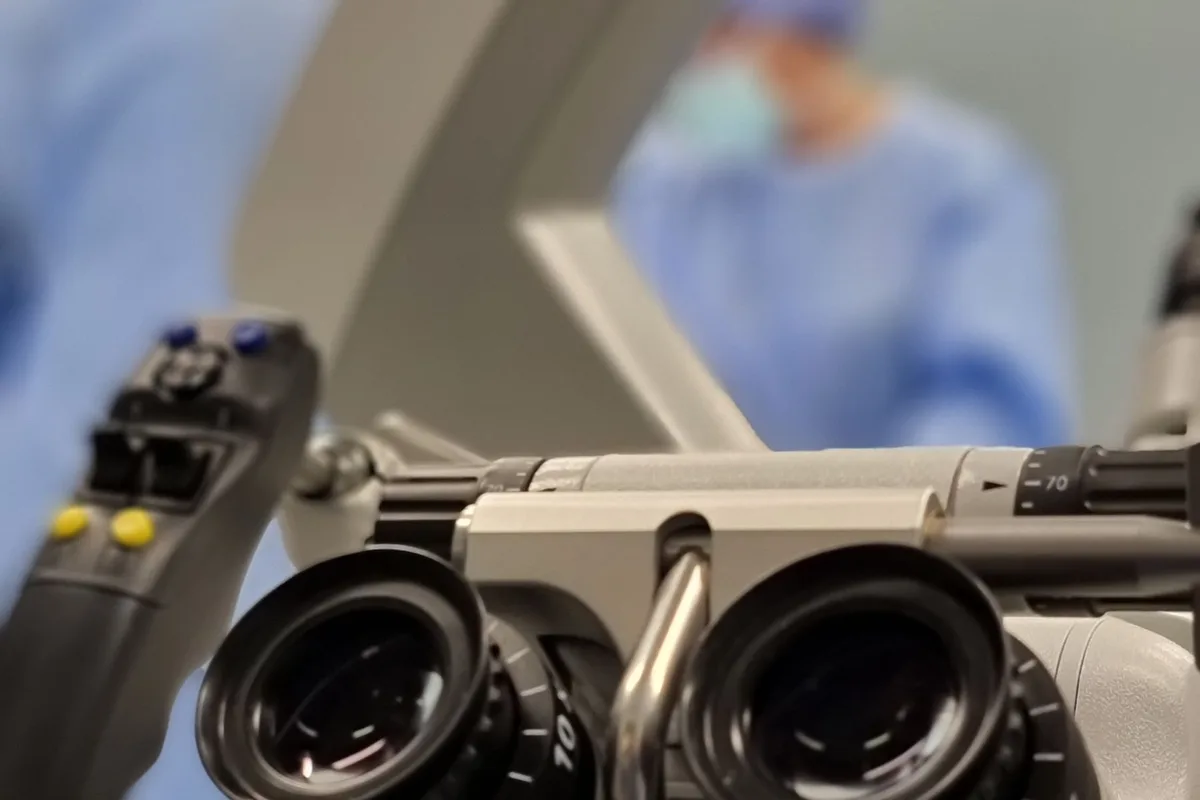
The eye's natural lens is broken up with ultrasound and removed through an incision of a few millimetres that usually needs no stitches. It is today's standard technique for cataract surgery and for lens exchange.

  • Small incision, usually no stitches
  • Local anaesthetic drops; you are awake
  • An intraocular lens is placed in the same session
Duration · 15–30 min per eyeCheck-up · next daySecond eye · per Dr. Serrano's plan
Lens options
Intraocular lenses

Lens options

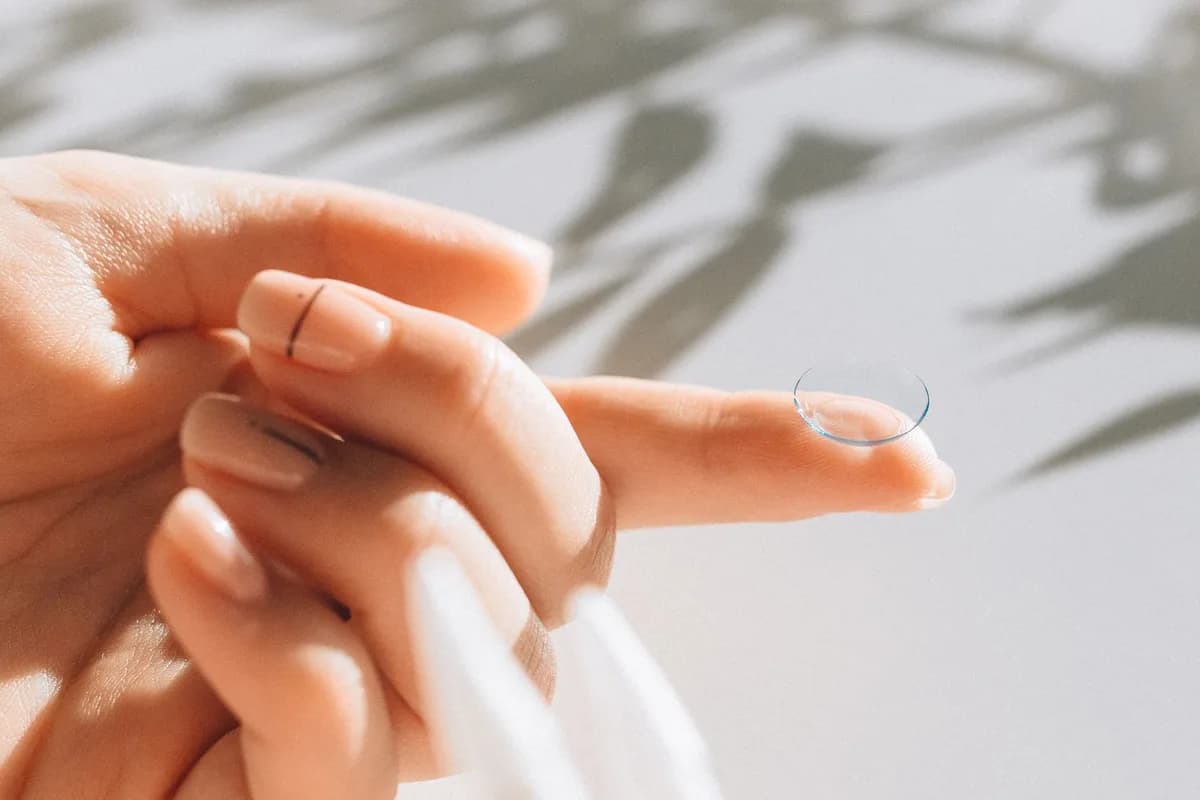
The lens that replaces your natural one is chosen for your prescription and what you want from your vision: distance with reading glasses, or several distances with less dependence on glasses. Dr. Serrano works through it with you at the evaluation.

  • Monofocal, toric for astigmatism, and extended-range or multifocal options
  • The choice affects price and what to expect
  • Explained before you book, never on the day of surgery
Decided · at your evaluationMeasured · biometry in clinic

Frequently asked questions

What everyone asks before deciding

Is this the same as cataract surgery?

Technically yes: the natural lens is removed and an intraocular lens is placed. The difference is the reason — here it's done to correct your prescription and presbyopia, not because the lens has clouded.

Are both eyes done on the same day?

That depends on the plan Dr. Serrano sets for you. He explains it at your evaluation, along with how many days you'll need in Cabo.

How soon after can I fly?

Only after your in-person check and written clearance from Dr. Serrano. The trip is planned around that, not the other way round.

Lens exchange or LASIK after 45?

LASIK reshapes the cornea but leaves a lens that is already losing its focus and will later cloud. Lens exchange addresses the lens itself, so it can help with distance and near together and removes the future cataract. It is also surgery inside the eye, with different risks. The evaluation weighs both for your eyes.

Monofocal, toric or multifocal lens: what is the difference?

A monofocal lens gives its best focus at one distance, usually far, with reading glasses for near. A toric lens also corrects astigmatism. Multifocal and extended-range lenses spread focus across distances and reduce the need for glasses, with a higher chance of halos at night. The choice changes the price and is made before you book.

Will I still need glasses after lens exchange?

Many people use glasses much less, but nobody can promise none at all. It depends on the lens chosen, on your eye's healing and on how demanding your near work is.

Does insurance cover refractive lens exchange?

When there is no cataract it is an elective procedure, and U.S. insurers generally do not cover it at home or abroad. You receive an itemised receipt you can use for a health savings or flexible spending account if your plan allows it.

Book your evaluation

It all starts with an honest evaluation

  • Dr. Serrano reviews your case before any surgery is booked
  • Same-day reply on WhatsApp
  • Care in English and Spanish
Book online (see times)Continue on WhatsAppCall +1 (858) 585-7814

Or write to dr.tserrano@gmail.com